PAPYRUS 66 (P66 𝔓66): One of the Earliest Available Papyri
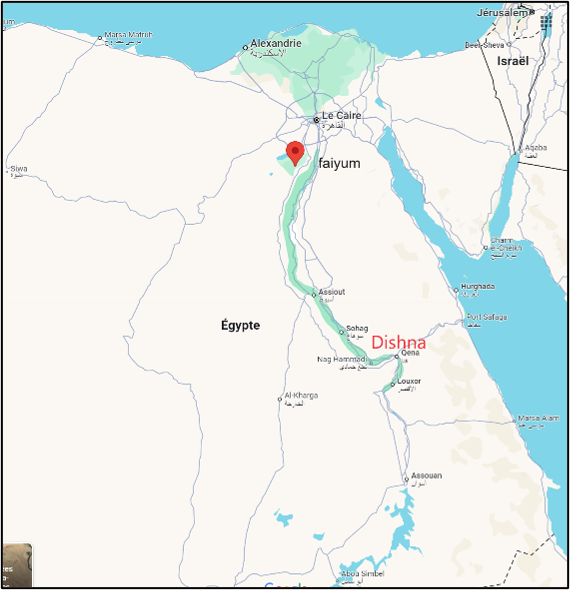
PAPYRUS 66 (P66): One of the oldest papyri available. The manuscript was discovered in 1952 at Jabal Abu Mana near Dishna (Egypt), among papyri containing over 2,000 pages of text. 𝔓66 includes the entirety of the Gospel of John. It is one of the oldest and best-preserved manuscripts of the New Testament, dated to the period around 150 CE (150-250). In fact, the level of preservation of P66 surprised researchers, as the first 26 leaves were nearly intact, and even the binding stitches remained.
It was published in 1956 and represented the most significant publication of a New Testament manuscript since the Chester Beatty Papyri in 1933–1934. It belongs to the group of Christian Alexandrian texts, where a flourishing Christian culture developed in the late 2nd century. It was previously unimaginable to find a gospel manuscript from that period, as many manuscripts were destroyed during the persecution of Christians under Emperor Diocletian in the years 303–311.
The manuscript is kept at the Bodmer Library in Cologny near Geneva. It consists of 39 folios (78 leaves and 156 pages). This reproduction is faithfully based on actual archaeological discoveries and shows what such a codex would have looked like. The text is written in Greek on real papyrus and bound into a single booklet.
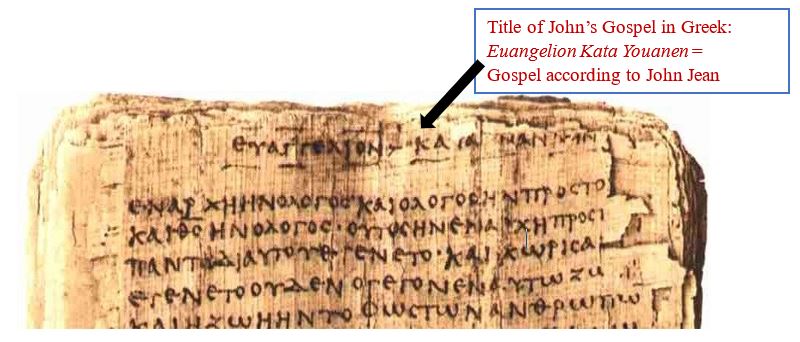
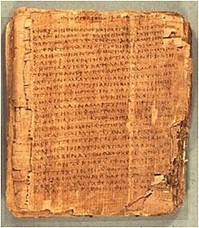
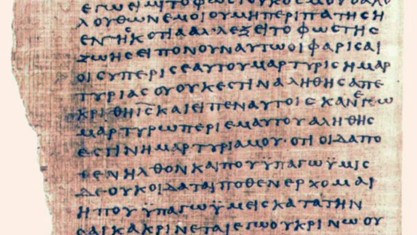
The first page of the papyrus, showing John 1:1-13 and the opening words of v.14